
What is General Surgery And Gastroenterology?
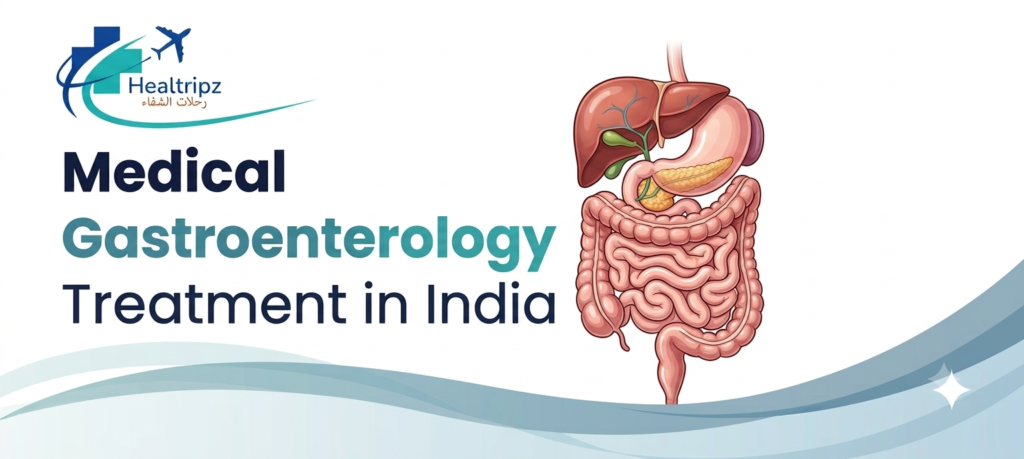
General surgery and gastroenterology is a treatment used to treat diseases related to the gastrointestinal tract (GI). The surgical procedures are one of the ways of treatment for health diseases of the gastrointestinal tract. The GI tract affects the mouth, esophagus, stomach, small intestine, large intestine, anus, liver, pancreas, gallbladder. The General Surgery and Gastroenterology treatment in India offers patients access to experienced doctors and modern healthcare facilities.
Understanding Gastrointestinal Surgery
Gastrointestinal Surgery is a surgical procedure performed for diseases of the GI tract. The surgery is performed by the most experienced Gastroenterologist surgeons in India. The surgeries are mostly used to remove non-cancerous as well as cancerous tumors or can be used to treat other major defects/diseases in the body.
Types of Gastrointestinal Surgery
- Endoscopic Retrograde Cholangio Pancreatography (ERCP): The surgery is performed with an endoscopic procedure located to treat the gallbladder, biliary system, pancreas, liver diseases. The procedure uses the X-ray and an endoscope (a flexible and thin tube attached with camera) are used together to monitor the disease and treat it without having major cuts.
- Interventional Gastro Procedures: This treatment is used to treat the most complex gastrointestinal diseases. Interventional procedures are used to treat different and complex gastrointestinal diseases. Interventional procedures involve the endoscopic surgeries where an endoscope is used to diagnose and treat different Gastrointestinal diseases. These are minimally invasive procedures that are advanced level treatment and perform with minimal incision. They are performed in place of open surgery.
Common Problems of the Digestive System
The gastrointestinal (GI) tract is the part of our body that helps digest food and remove waste. Different problems can affect these organs. Some problems are simple, while others may need medicines, treatment, or surgery.
Here are some common gastrointestinal conditions:
- Appendicitis: The appendix is a small part connected to the intestine. When it becomes swollen and painful, it is called appendicitis. It can cause severe pain in the stomach area and may need surgery.
- Gastrointestinal Cancer: Cancer can develop in different parts of the digestive system, such as the stomach, intestine, colon, or rectum. The treatment depends on where the cancer is and how serious it is.
- Gallbladder Stones: Gallstones are hard pieces that form inside the gallbladder. They may cause pain in the stomach, especially after eating, and sometimes need treatment or surgery.
- Hernia: A hernia happens when an organ or tissue pushes through a weak spot in the muscles. It may look like a small lump or swelling and can sometimes cause pain.
- Inflammatory Bowel Disease: This causes swelling and inflammation in parts of the digestive system. It may lead to stomach pain, diarrhoea, tiredness, and changes in bowel habits.
- Rectal Prolapse: In this condition, the rectum, which is the lower part of the large intestine, comes out through the anus. It can make passing stool difficult and may cause discomfort.
- Fistula: A fistula is an unusual passage that forms between two parts of the body that should not be connected. It can sometimes cause pain, swelling, or discharge.
- Anal Abscess: An anal abscess is a painful lump filled with pus that develops near the anus. The area may become swollen, red, and painful.
- Anal Fissure: An anal fissure is a small tear in the skin around the anus. It can cause sharp pain while passing stool and sometimes a small amount of bleeding.
Common Signs of Gastrointestinal Conditions
Some common signs of gastrointestinal problems include:
- Unusually dark-coloured stool
- Difficulty in breathing
- Severe or persistent abdominal pain
- Chest pain
- Blood in vomit
Risks of Gastroenterology Procedures and Surgery :
Interventional gastro procedures are relatively safe, but certain complications can include:
- Oversedation
- Temporary bloated feeling
- Mild cramping
- Numb throat because of local anesthetic
- Bacterial or fungal infections
- Persistent pain in the area of the endoscopy
- Perforation in the lining of the stomach or esophagus
- Internal bleeding
How Can Gastrointestinal Surgery Help?
Gastrointestinal surgery in India may be needed when other treatment options are not enough. It can help remove a tumour, treat a long-lasting problem, or correct a physical problem in the digestive system. In many cases, surgery can also help reduce pain and improve the quality of life.
Why Choose India for Gastroenterology Treatment?
Many patients from different countries choose gastroenterology treatment in India for the combination of experienced doctors, modern hospitals, and affordable treatment options. Hospitals have advanced medical equipment and facilities for diagnosing and treating different digestive system problems .
The cost of gastrointestinal treatment in India is also often more affordable compared with many Western countries. Many hospitals also provide services for international patients, such as visa assistance, airport pickup, accommodation support, and language interpreters.
Conclusion :
Gastrointestinal problems can affect different parts of the digestive system and may cause symptoms such as stomach pain, changes in bowel habits, or bleeding. Some conditions can be treated with medicines, while others may need a procedure or surgery.
With the right diagnosis and treatment from an experienced gastroenterologist or gastrointestinal surgeon, many of these problems can be managed effectively. Gastrointestinal treatment in India is available with experienced doctors and modern medical facilities.
FAQs
What is gastrointestinal surgery?
Gastrointestinal surgery is a procedure used to treat diseases and problems affecting the digestive system, including the stomach, intestine, liver, pancreas, gallbladder, and other parts of the GI tract.
What conditions can gastrointestinal surgery treat?
Gastrointestinal surgery in India may be used to treat conditions such as appendicitis, gallbladder stones, hernia, gastrointestinal cancer, inflammatory bowel disease, fistula, anal abscess, and other digestive system problems.
What is ERCP?
ERCP, or Endoscopic Retrograde Cholangio Pancreatography, is a procedure used to diagnose and treat problems related to the gallbladder, bile ducts, pancreas, and liver. It uses an endoscope and X-ray to examine and treat the affected area.
Are gastrointestinal procedures safe?
Interventional gastro procedures are generally safe, but like other medical procedures, they can have some risks. These may include mild cramping, bloating, infection, bleeding, or, in rare cases, a tear in the stomach or esophagus.
When is gastrointestinal surgery needed?
Gastrointestinal surgery may be recommended when medicines or other treatment options are not enough. It may help remove a tumour, treat a long-term problem, correct a defect, reduce pain, and improve the patient’s quality of life.