
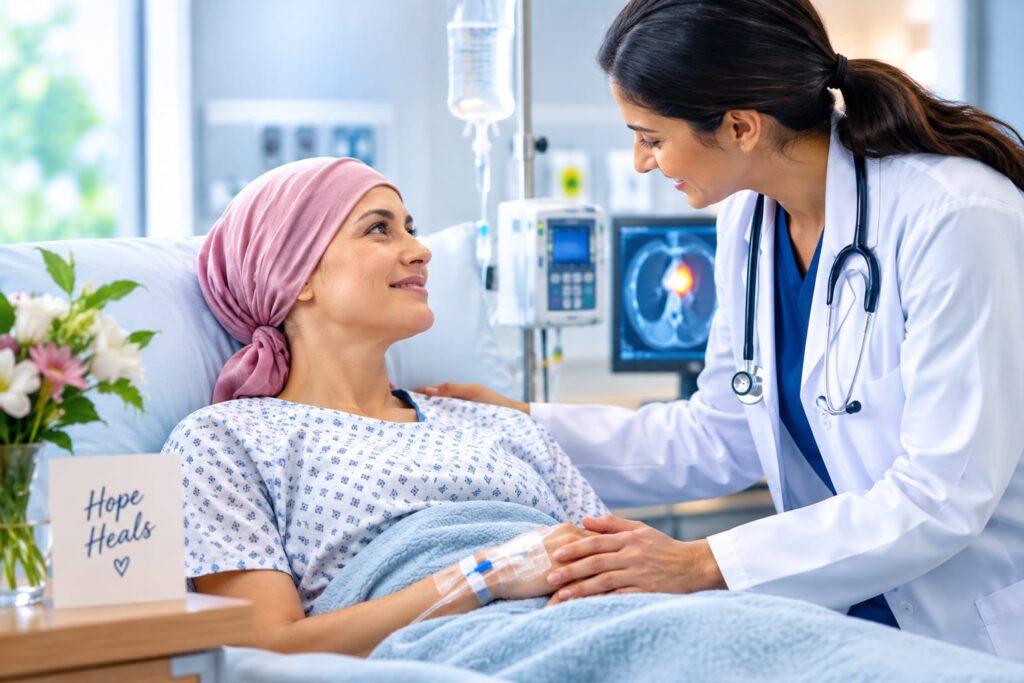
Oncology Treatment in Delhi, India: Advanced Cancer Care with Hope and Precision
Oncology is a branch of medicine that involves the study, diagnosis, and treatment of cancer in India. The study of oncology involves not only the examination but also the care of patients with malignant tumors or cancer. Notably, cancer is the leading cause of death globally. According to studies, approximately 1 in 6 deaths is due to cancer worldwide. Although it is a curable disease if diagnosed at an early stage, oncology significantly improves treatment outcomes and patient survival. Furthermore, advancements in oncology lead to better cancer management. Additionally, there are various reasons and causes of cancer related to environmental factors and lifestyle, which we will explore further.
Today, Cancer Treatment in India is considered one of the most trusted options for both domestic and international patients due to its experienced specialists, advanced infrastructure, and patient-focused care.
What is Cancer?
Oncology is a specialized field of medicine focused on understanding how cancer develops and spreads in the human body. It also focuses on diagnosing cancer at an early stage and offering the most effective treatment options based on the patient’s condition.
Doctors who specialize in this field are known as Oncologists. They play a crucial role not only in treating cancer but also in guiding patients through every stage of their journey from diagnosis to recovery and follow-up care.
Modern oncology is no longer limited to chemotherapy or surgery. It now includes advanced, personalized treatments designed to target cancer cells more precisely while minimizing damage to healthy tissues.
Oncology is a study to treat and diagnose cancer. Several fields in oncology include:
- Medical Oncology: Focuses on chemotherapy, immunotherapy and targeted therapy.
- Surgical Oncology: Treats with surgical removal of cancer and tumors.
- Radiation Oncology: Addresses radiation therapy to treat cancer.
- Pediatric Oncology: Specializes in the treatment of childhood cancers.
- Gynecologic Oncology: Focuses on the cancer of the female’s reproductive system.
- Hematological Oncology: Involves in the treatment of blood cancer (leukemia, lymphoma).
Exploring the Different Types of Cancer
As we learn, What is cancer? Cancer is a vast subject to deal with, as there are over 100 types. It affects the body based on the type of tissue and where it originates. There are three specific classifications of cancer:
- Blood Cancers: These cancers start in the blood cells, including red blood cells, white blood cells, and platelets, or in the lymphatic system. Examples include leukemia, lymphomas and multiple myeloma.
- Solid Cancers: These are among the most common types of cancer, accounting for 80-90 percent of cases. They affect solid organs such as the skin, lungs, breasts, and colon.
- Mixed Cancers: This category includes carcinosarcoma and adenosquamous carcinoma, which can arise from both classifications or subtypes of cancer.
- Breast Cancer: The most common cancer in women. It can cause a lump in the breast, changes in breast shape, or unusual discharge.
- Lung Cancer: Common in smokers and non-smokers. Symptoms may include a persistent cough, chest pain, or difficulty breathing.
- Liver Cancer: Often linked to chronic liver disease or hepatitis and may cause abdominal pain or jaundice.
- Cervical Cancer: A common cancer in women that can often be prevented through regular screening and HPV vaccination.
Causes of Cancer: Environmental and Lifestyle Factors
The change of DNA within the cells causes cancer. DNA in a cell is organized into many genes. Each gene has instructions that tell the cell how to work, grow, and divide. Mistakes in these instructions can make the cell stop working normally and can lead to cancer. There are various causes of cancer that are known for environmental factors and can be treated through precautions. Some causes are listed below:
Environmental cause:
- Intake of tobacco can cause cancer in lungs, throat and mouth.
- Ultraviolet (UV) radiation can cause cancer in the skin.
- Air pollution has been the reason for the increase in cancer.
- Excessive doses of Ionizing radiation through X-rays and gamma rays can be an increased factor for developing cancer.
- Chemicals like asbestos, benzene and pesticides.
- Viruses such as HPV, HIV, EBV and HBV can lead to cancer.
Lifestyle factor:
- Poor diet includes low intake of fiber and high processed meat.
- Physical inactivity.
- Obesity
- Consumption of alcohol.
- Stress.
According to one of the studies by the World Health Organization, 20 to 40 percent of women who engage in physical activity are at lower risk of breast cancer.
Some other causes:
- Age risk: increasing age can be a reason.
- Hormonal factors like estrogen and testosterone.
- Immune system disorder.
- Family history.
- Inherited syndrome and inflammatory bowel disease.
Symptoms of Cancer :
- Unexplained Weight Loss – Sudden weight loss without changes in diet or exercise may be an early warning sign.
- Persistent Fatigue – Ongoing tiredness that does not improve with rest can indicate certain cancers.
- Lumps or Swelling – A painless lump in the breast, neck, or any part of the body should be medically evaluated.
- Persistent Pain – Unexplained or long-lasting pain may be associated with underlying cancer.
- Changes in Skin – New moles, changes in existing moles, or sores that do not heal require attention.
- Unusual Bleeding – Blood in the urine, stool, or persistent coughing up blood should never be ignored.
- Persistent Cough or Hoarseness – A cough lasting more than three weeks or changes in voice may be a symptom.
- Changes in Bowel or Bladder Habits – Ongoing constipation, diarrhea, or difficulty urinating can be warning signs.
Cancer Treatment Available in India.
Chemotherapy :
Chemotherapy uses powerful medications to destroy cancer cells or slow their growth. It may be given before surgery to shrink tumors, after surgery to reduce the risk of recurrence, or as the primary treatment for certain cancers.
Radiation Therapy
Radiation therapy uses high-energy beams to target and destroy cancer cells while minimizing damage to surrounding healthy tissues. It is commonly used alone or in combination with surgery and chemotherapy.
Targeted Therapy
Targeted therapy focuses on specific genes, proteins, or molecules that help cancer grow. This precision-based treatment can be more effective and often causes fewer side effects than traditional chemotherapy.
Immunotherapy
Immunotherapy strengthens the body’s immune system to recognize and attack cancer cells. It has shown promising results in treating several advanced and difficult-to-treat cancers.
Cancer Surgery
Surgical treatment involves removing the tumor and, when necessary, nearby affected tissues or lymph nodes. Many hospitals in Delhi also offer minimally invasive and robotic-assisted procedures for faster recovery.
Bone Marrow Transplant
Bone marrow or stem cell transplantation is primarily used to treat blood cancers such as leukemia, lymphoma, and multiple myeloma by replacing damaged bone marrow with healthy stem cells.
Palliative Care
Palliative care focuses on improving the quality of life by managing pain, symptoms, and emotional well-being. It can be provided alongside active cancer treatment at any stage of the disease.
Oncology Treatment in Delhi, India :
India offers quality healthcare treatment at prices that heal rather than hurt. Moreover, Cancer treatment India is the ultimate destination for cancer patients. It is, in fact, like a haven for medical tourists, as it provides world-class treatment. India’s healthcare sector is where compassion meets excellence. From routine check-ups to complex surgeries, it serves as a one-stop destination with top-notch facilities. Additionally, India boasts some of the best-skilled and experienced doctors, who are dedicated to delivering exceptional outcomes. Furthermore, cancer treatment in India is not only affordable but also provides personal care and personalized plans tailored to individual needs.
Top Choices for Cancer Treatment in Delhi, India :
Choosing the best hospital in India can be difficult, as it provides you with a large list of hospitals. To simplify the process, here are some well known hospitals you can opt for. Some of the best Cancer Hospitals in Delhi can assure personalised treatment plans and dedicated coordinators for patients.
A list of well-known hospitals for Cancer Treatment in Delhi are listed below:
- Fortis Escorts Heart Institute.
- Metro Heart Institute
- Max Hospital
- Manipal Hospital
- Marengo Asia Hospital
- Accord Hospital
Conclusion
Oncology Treatment in Delhi, India stands out as a reliable option for patients seeking advanced, affordable, and compassionate cancer care. With expert doctors, modern technologies, and patient-centered treatment approaches, Delhi continues to strengthen its position as a global healthcare destination.
FAQs:
What is Oncology?
Oncology is a branch of medicine that diagnoses and treats the disease of cancer. The study of oncology involves not only the examination but also the care of patients with malignant tumors or cancer.
Who are Oncologists?
Oncologists are doctors who have done specialization in diagnosis, treatment and management of cancer.
Which cities are best for Cancer treatment in India?
Delhi, Mumbai, Chennai and Bangalore can be considered as the best options
Is India a good choice for Cancer treatment?
Yes, no doubt India is a good choice for Cancer treatment in terms of experienced and skilled doctors, better nursing staff and affordable rates.