Paediatrics (Child Health and Diseases)
Pediatrics is the study of medicine that treats the health and diseases of children. It covers the overall health issues of children from birth to their teenage years. A pediatrician not only treats illnesses but also checks a child’s growth, development, nutrition, behaviour, and overall health.
Pediatric treatment in India is available for common childhood problems as well as complex conditions that may need specialised care. Depending on the child’s condition, pediatricians may also work with neonatologists, pediatric surgeons, and other specialists.
Understanding Pediatrics and the Role of a Pediatrician
Children’s bodies are different from adults, so they need special medical care. A paediatrician understands children’s health needs and provides treatment based on their age and condition.
A pediatrician may check:
- The child’s height and weight
- Physical growth and development
- Vaccination and immunisation status
- Eating and sleeping habits
- Speech, learning, and behaviour
- Common illnesses, infections, and injuries
If a child needs specialised treatment, the pediatrician may refer them to a specialist such as a pediatric cardiologist, neurologist, endocrinologist, or neonatologist.
Common Conditions Treated in Pediatrics
Children can have different health problems as they grow. Some may be common childhood illnesses, while others may need long-term treatment.
Some of the conditions treated by Pediatricians in India include:
- Allergies and Immune Problems: Food allergies, eczema, allergic rhinitis, and some immune system problems can affect children.
- Asthma and Respiratory Problems: Asthma, repeated wheezing, bronchitis, and other breathing problems may require medicines and regular monitoring.
- Behavioural and Psychological Problems: Some children may have ADHD, learning difficulties, anxiety, or behavioural problems.
- Congenital Conditions: Some health problems are present from birth, such as cleft lip and palate, congenital heart disease, clubfoot, and certain facial abnormalities.
- Growth and Development Problems: Delayed milestones, short height, poor weight gain, and some problems related to puberty may need medical attention.
- Newborn Conditions: Premature babies and newborns with jaundice, breathing problems, or congenital infections may need specialised care.
- Neurological Conditions: Epilepsy, cerebral palsy, autism spectrum disorders, and developmental delays are some neurological conditions seen in children.
- Heart Conditions: Some children may have congenital heart defects, heart murmurs, or abnormal heart rhythms.
- Childhood Cancers: Children can also develop conditions such as leukaemia, lymphoma, and some solid tumours.
- Diabetes and Hormonal Problems: Type 1 diabetes, thyroid problems, hormonal imbalance, and growth hormone deficiency can affect children.
- Digestive Problems: Celiac disease, constipation, gastroesophageal reflux, and Hirschsprung’s disease are some gastrointestinal conditions found in children.
- Childhood Infections: Measles, chickenpox, dengue, and other infections can affect children and may require proper treatment and monitoring.
Common Symptoms in Children
It is not always easy for children to explain what they are feeling. Parents should pay attention to unusual changes in their child’s health.
Some common symptoms include:
- High or persistent fever
- Poor weight gain or unexplained weight loss
- Delay in speech, movement, or learning
- Continuous cough or difficulty in breathing
- Feeling unusually tired or weak
- Poor appetite or difficulty in feeding
- Changes in behaviour or unusual irritability
- Frequent infections
- Seizures, fainting, or unusual movements
- Rashes or skin changes that do not get better
Diagnosis in Pediatrics
The doctor may suggest different tests depending on the child’s symptoms. These tests help find the cause of the problem and decide the treatment.
Some commonly used diagnostic methods include:
- Blood and Urine Tests: These can help detect infections, nutritional deficiencies, and other health problems.
- Allergy Testing: This test helps find the substances that may be causing an allergic reaction, such as food, dust, or pollen.
- Developmental and Behavioural Assessment: These assessments look at the child’s speech, movement, learning, thinking, and behaviour.
- Newborn Screening: These tests are performed soon after birth to detect certain health conditions at an early stage.
- Paediatric Imaging: X-rays, MRI scans, and ultrasound may be used to examine the child’s bones, organs, and soft tissues.
Pediatric Treatment and Care in India
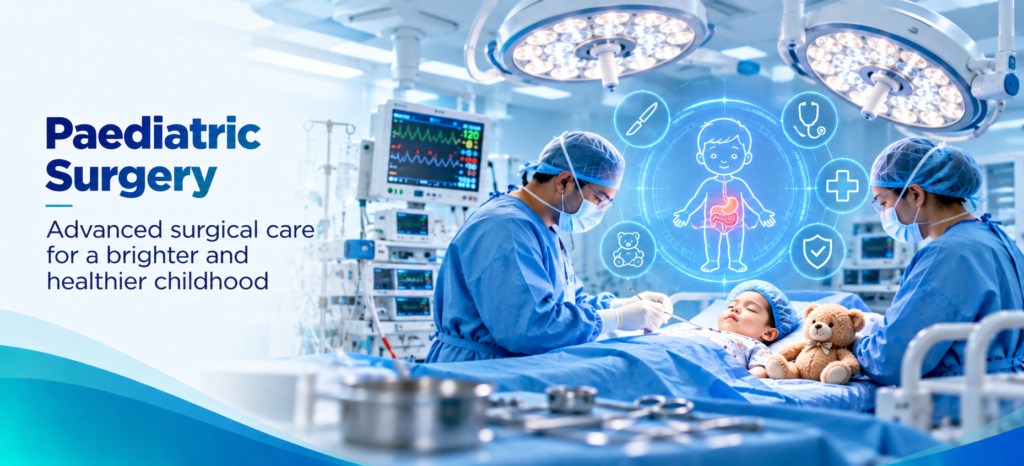
Treatment depends on the child’s health condition. Some problems can be managed with medicines and regular follow-up, while others may require specialised treatment or surgery.
Children with serious conditions may need care in a Neonatal Intensive Care Unit (NICU) or Paediatric Intensive Care Unit (PICU). In some cases, a pediatrician may also involve a specialist or pediatric surgeon.
Why Choose Pediatric Treatment in India?
Pediatric treatment in India is available in many hospitals with experienced pediatricians and specialised facilities for children. Top Pediatric Hospitals in India provide care for newborns, children, and teenagers, along with diagnostic facilities and treatment for different childhood conditions.
For children who need specialised care, pediatric cardiology, neurology, endocrinology, neonatology, and pediatric surgery services may also be available.
Conclusion
Pediatrics covers much more than treating a child’s illness. Regular health checks, vaccinations, proper nutrition, and watching the child’s growth and development are also important parts of pediatric care.
The best Pediatrician in India can help find the cause and can plan according to the needs of the child’s condition.
FAQs
What does a pediatrician treat?
A pediatrician treats health problems in children, including infections, allergies, asthma, growth problems, and developmental concerns.
At what age does a child need pediatric care?
Pediatric care generally covers children from birth through adolescence, including newborns, infants, school-age children, and teenagers.
What happens during a child’s regular check-up?
The pediatrician may check the child’s height, weight, growth, development, general health, and vaccination status.
What tests are commonly done for children?
Depending on the child’s symptoms, the doctor may suggest blood or urine tests, allergy testing, developmental assessments, X-rays, MRI, or ultrasound.
When should parents take their child to a pediatrician?
Parents should consult a pediatrician if the child has persistent symptoms, repeated infections, breathing problems, poor weight gain, developmental delays, or any other health concern.